
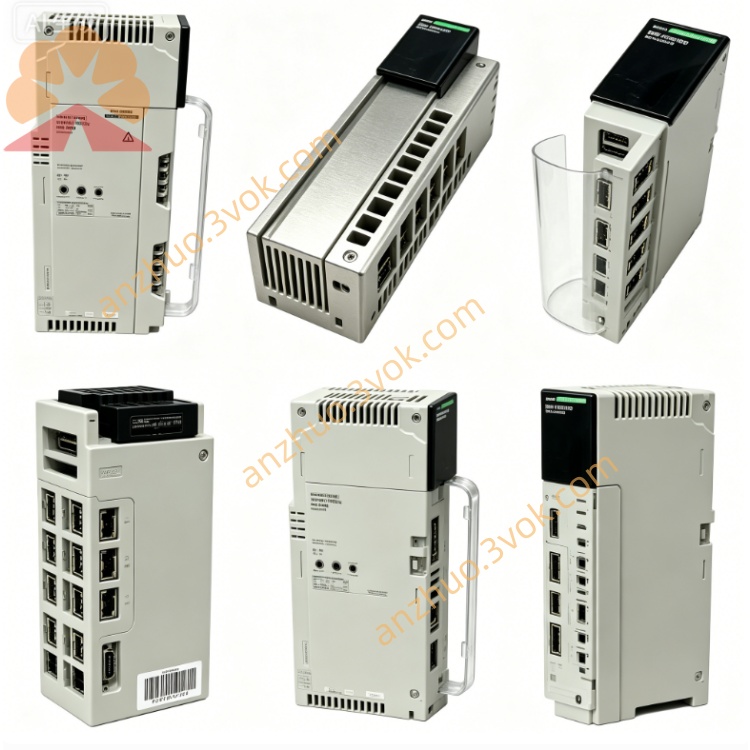
Schneider Electric 490NAD91103 Profibus DP Terminal Connector
Description
Model Definition
490: Modicon network accessory series code
NAD: Profibus DP connector series
91103: Right-angle connector with integrated terminator
Technical Specifications
Hardware & Interface
Protocol: Profibus DP
Connector: 9-pin D-Sub, right-angle type
Termination resistor: Integrated 120 Ω (permanently enabled)
Cable entry: Side entry
Cable type: Standard Profibus bus cable
Color: Violet
Environmental
Operating Temp: 0 °C to +60 °C
Storage Temp: -25 °C to +80 °C
Relative Humidity: 5% to 95 %, non-condensing
Protection class: IP20
Core Functions
Bus Termination: Provides standard 120 Ω termination for Profibus DP network endpoints
Signal Optimization: Reduces signal reflection and distortion for long-distance communication
Durable Connection: Industrial-grade connector ensures stable physical connection in harsh workshop environments
Quick Wiring: Compact structure for fast on-site installation and wiring
Application Scenarios
End stations of Profibus DP bus network
Connection for Modicon PLCs, remote I/O modules and variable frequency drives
Commissioning and maintenance of legacy Schneider Profibus DP automation systems
Factory production lines with distributed Profibus field devices
Usage & Maintenance
Install this connector only at the first and last nodes of the Profibus DP network
Keep the connector and wiring dry and free from dust or mechanical damage
Check connection tightness regularly to avoid loose contact and communication failure
Do not use this model for intermediate network nodes to prevent communication anomalies
Get a Quote