
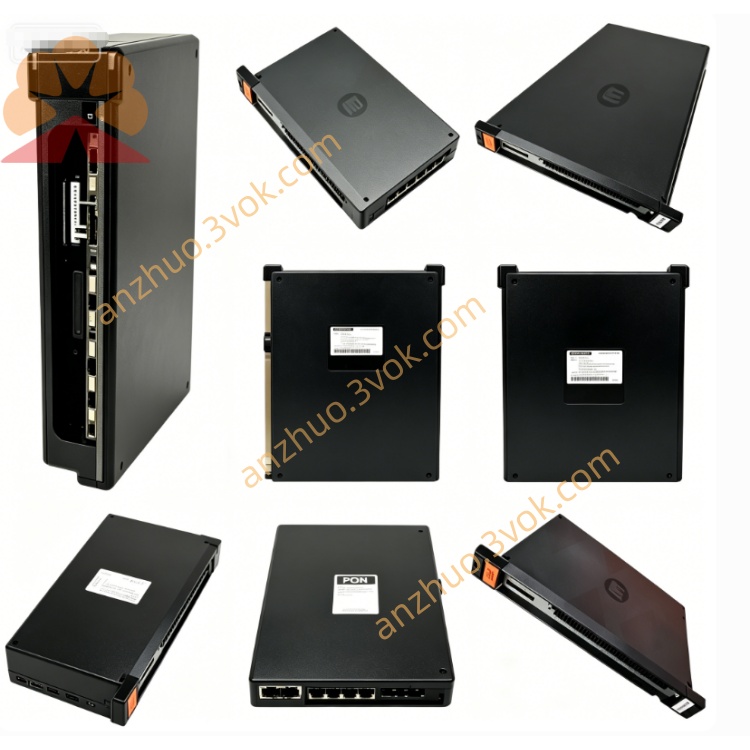
Reliance Electric 0-57400-1 16-point universal input module
Reliance Electric 0-57400-1, also known as 57400-1, is a 16-point universal input module designed for AutoMax PLC and DCS systems. It receives 115 VAC or 115 VDC discrete signals from on-site switches, relays and sensors, and converts them into standard logic signals for the main processor. This product has been discontinued by the original manufacturer. Only refurbished, surplus and used units are available on the market for equipment maintenance and part replacement.
Description
Product Introduction
Reliance Electric 0-57400-1, also known as 57400-1, is a 16-point universal input module designed for AutoMax PLC and DCS systems. It receives 115 VAC or 115 VDC discrete signals from on-site switches, relays and sensors, and converts them into standard logic signals for the main processor. This product has been discontinued by the original manufacturer. Only refurbished, surplus and used units are available on the market for equipment maintenance and part replacement.
Model Interpretation
The complete part number is 0-57400-1. The leading digit 0 stands for standard I/O modules of AutoMax series. The code 57400 represents the product category of 115 V AC/DC input module. The suffix 1 indicates the hardware revision version. This model number is applied for product identification, ordering and inventory management.
Technical Parameters
This module is equipped with 16 independent input channels, supporting both 115 VAC and 115 VDC input signals. The operating voltage range for signal on state is from 70 V to 132 V, and the signal will be recognized as off state when the voltage is lower than 40 V. The input impedance is about 10 kiloohms, and the signal response time is less than 10 milliseconds. It obtains 5 VDC working power from the rack backplane, and adopts isolation design between field circuit and internal logic circuit. The operating temperature ranges from minus 20 degrees Celsius to 60 degrees Celsius, and it can work steadily in the environment with relative humidity between 5 percent and 95 percent without condensation. It is a standard rack mounted printed circuit board.
Interface and Communication Configuration
It connects to the system backplane through edge connectors to get power and transmit data signals. The external field signals are connected via screw terminals on the module. Each input channel is matched with an indicator light to show real-time working status. The module exchanges data with the main controller through the dedicated backplane bus of AutoMax system, and it does not equip with independent external network communication ports.
Core Functions
It converts on-site 115 VAC and 115 VDC switching signals into logic signals that the control system can recognize. It provides electrical isolation to prevent interference from field circuits and protect internal control components. It filters and stabilizes input signals to ensure signal accuracy. It feeds the operating status of each channel back to the processor to support normal logic operation of the whole system. It also supports hot swapping under specified system conditions.
Application Scenarios
It is mainly used as replacement spare parts for maintaining old AutoMax PLC and DCS equipment. It is widely applied in industrial production lines, material handling equipment, packaging machinery and process control systems such as paper making, metallurgy and chemical industry. It is suitable for collecting switching signals from various 115 V field devices, and serves for repair and simple renovation of legacy automation systems.
Operation and Maintenance Instructions
Cut off all related power supply before installation, removal or wiring. This module is sensitive to static electricity, so take anti-static measures during operation. Insert the module into the designated position of the equipment rack and ensure the connectors are fully and firmly connected. Connect field signals to corresponding terminals in accordance with specifications. Keep the module surface clean and dry during daily use. Regularly check wiring terminals for looseness and corrosion. When signal abnormality occurs, check channel indicators and input voltage first. Replace the whole module directly if internal faults cannot be fixed.
Get a Quote