
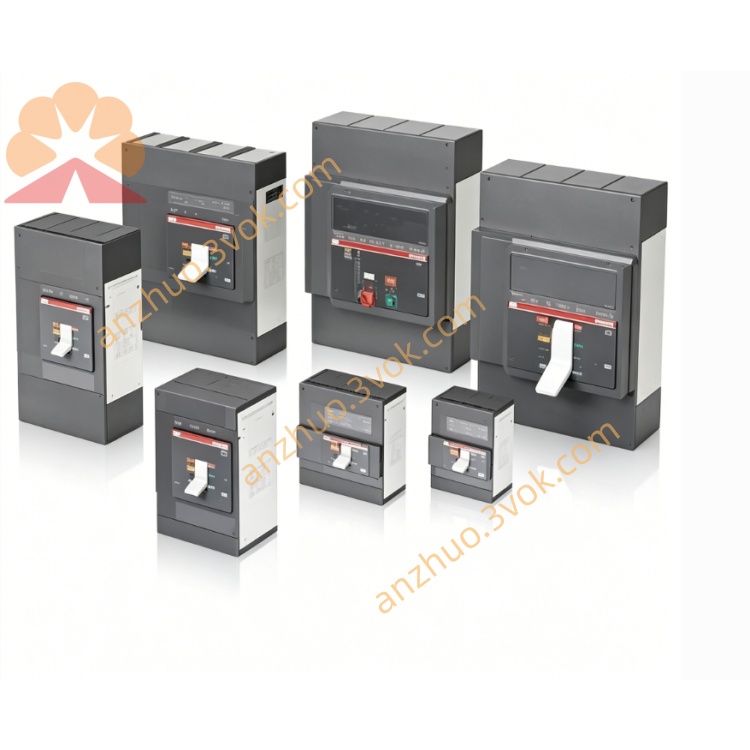
ABB 3BSE004191R1(PFTL101B 5.0 kN) magnetoelastic tension and load sensor
ABB 3BSE004191R1, also known as PFTL101B 5.0 kN, is a magnetoelastic tension and load sensor. It is applied to detect mechanical tension and load in industrial production lines. This sensor converts mechanical force into standard electrical signals for closed-loop control. With reliable performance, it can work stably in harsh industrial conditions and ensure accurate measurement during continuous operation.
Description
Product Introduction
ABB 3BSE004191R1, also known as PFTL101B 5.0 kN, is a magnetoelastic tension and load sensor. It is applied to detect mechanical tension and load in industrial production lines. This sensor converts mechanical force into standard electrical signals for closed-loop control. With reliable performance, it can work stably in harsh industrial conditions and ensure accurate measurement during continuous operation.
Model Interpretation
3BSE004191R1 is the official part number of the product. The prefix 3BSE represents ABB sensor and I/O product series. 004191 is the unique code for this type of load cell, and R1 stands for the standard hardware revision. PFTL101B is the product model name, and 5.0 kN refers to its rated measuring range.
Technical Parameters
The rated measuring capacity of the sensor is 5.0 kilonewtons. It supports multiple selectable output signals including 4 to 20 milliamps, 0 to 5 volts and 0 to 10 volts. The overall measurement accuracy is within plus or minus 0.1 percent of full scale with good linearity and repeatability. The operating power supply is 24 volts direct current with a tolerance of plus or minus 15 percent, and it is equipped with reverse polarity protection. The operating temperature ranges from minus 25 degree Celsius to 60 degree Celsius. The protection class is IP67, which is dustproof and waterproof. The main body is made of stainless steel with excellent corrosion resistance. The response time is less than 10 milliseconds. The product has passed CE, UL and RoHS certifications, and the total weight is about 0.5 kilograms.
Interface and Communication Configuration
It adopts sealed cable joints for field wiring, and shielded cables are recommended for connection. The sensor outputs standard analog signals to connect with PLC and DCS systems. It is equipped with LED indicators to display power supply and signal operating status for convenient on-site inspection. No additional complex communication interfaces are configured, and it directly transmits measured signals through analog circuits.
Core Functions
It realizes real-time and high-precision detection of web tension and mechanical load on production lines. It completes the conversion from mechanical force to standard analog electrical signals to support automatic control systems. The sturdy structure enables stable operation under vibration, dust and humid environments. It maintains consistent measuring performance for a long time to guarantee the normal running of winding, unwinding and conveying equipment.
Application Scenarios
This sensor is widely used in textile, printing, papermaking, packaging and metal processing industries. It is suitable for production equipment such as web processing lines, winding machines, unwinding machines, conveyors and wire drawing machines. It can be matched with ABB 800xA, Symphony Plus and other automation systems, as well as most third-party control devices with analog signal acquisition function.
Operation and Maintenance Instructions
Install the sensor on a firm fixed structure, and keep the stress direction consistent with the sensor axis to avoid lateral force impact. Use standard shielded cables for wiring and separate power lines from signal lines to reduce electromagnetic interference. Regularly check the appearance, cable integrity and indicator status, and wipe surface dust with dry cloth. Conduct professional calibration every year with standard weights to keep measurement accurate. Cut off the power supply before disassembly and replacement, and recalibrate the new sensor after installation.
Get a Quote