
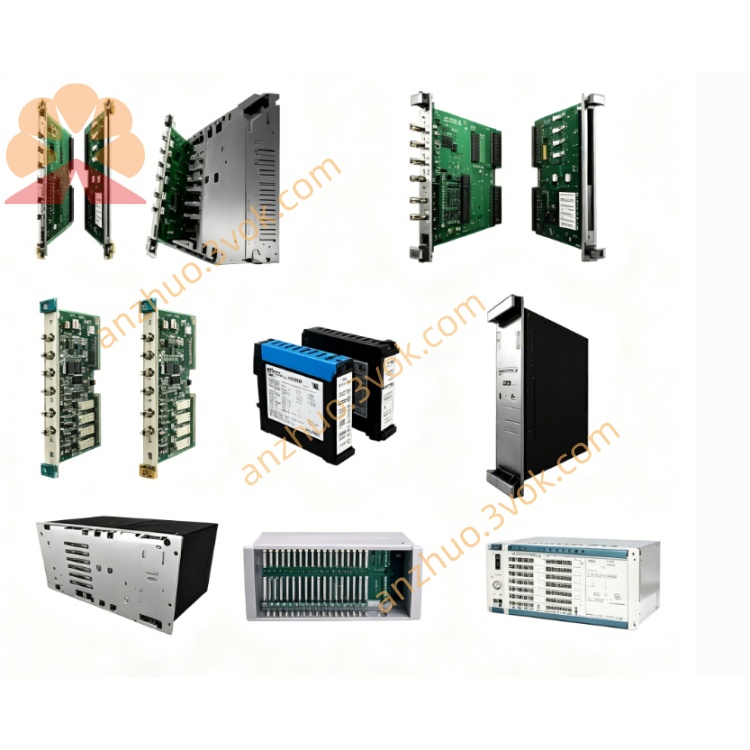
ABB 3BSE009514R( PFSK160A) high-performance signal conditioning and processing board
ABB 3BSE009514R1, also named PFSK160A, is a high-performance signal conditioning and processing board designed for ABB Advant and 800xA DCS systems. It performs signal collection, isolation, conversion and calculation for analog and digital signals, and is widely applied in scenarios requiring high-precision measurement such as weighing and tension monitoring. It maintains stable performance in long-term continuous operation for industrial process control.
Description
Product Introduction
ABB 3BSE009514R1, also named PFSK160A, is a high-performance signal conditioning and processing board designed for ABB Advant and 800xA DCS systems. It performs signal collection, isolation, conversion and calculation for analog and digital signals, and is widely applied in scenarios requiring high-precision measurement such as weighing and tension monitoring. It maintains stable performance in long-term continuous operation for industrial process control.
Model Interpretation
3BSE009514R1 is the official part number of this product. The prefix 3BSE stands for ABB industrial I/O and signal processing board series. The code 009514 corresponds to the PFSK160A functional family, and R1 indicates the first hardware revision. PFSK160A is the standard model name for this signal processing board.
Technical Parameters
This board is equipped with a 32-bit digital signal processor to support floating-point operation. It has multiple analog input channels compatible with weighing sensor and strain signals, and it accepts standard 4 to 20 milliamps, 0 to 10 volts and negative 10 to positive 10 volts signals. There are four configurable analog output channels for voltage or current signals. It also features eight channels of 24 volts DC digital inputs and eight channels of digital outputs with relay or transistor types optional. The overall measurement accuracy reaches plus or minus 0.25 percent of full scale, and the long-term stability is plus or minus 0.05 percent within ten years. Complete electrical isolation is adopted among input, output and power circuits. The operating power supply is 24 volts DC with a tolerance of plus or minus 15 percent and the working current is less than 0.5 ampere. The operating temperature ranges from 0 degree Celsius to 55 degree Celsius. The protection class is IP20. It adopts standard rack card structure and weighs approximately 0.3 kilograms.
Interface and Communication Configuration
It is integrated with Ethernet interface supporting TCP/IP protocol and dual RS-232 serial ports for data communication. The board supports connection with external expansion I/O sub-boards to expand system functions. Multiple LED indicators are arranged on the panel to display power status, running state, fault information and communication state in real time. Users can complete parameter setting, signal filtering, linear processing and alarm threshold configuration through supporting configuration software.
Core Functions
It realizes amplification, filtering, isolation and linear processing for weak signals from on-site sensors. It completes high-precision collection of process parameters including weight, tension, pressure and flow. It carries out various logic and arithmetic operations such as PID control, peak and valley value calculation, summation and average processing. It transmits measured data to upper DCS or PLC systems and receives remote control commands. The module supports redundant configuration to further improve the overall reliability of the control system.
Application Scenarios
This product is compatible with ABB 800xA, Advant Master and Symphony Plus automation systems. It is commonly used in metallurgy, papermaking, chemical industry, building materials, food processing and port logistics industries. Typical application equipment includes weighing feeding units, web tension control devices, silo level monitoring systems and other facilities that require high-precision process monitoring and control.
Operation and Maintenance Instructions
Install the board into the standard slot of ABB control rack vertically and reserve enough space for ventilation. Use shielded twisted-pair cables for sensor signal wiring, and separate strong current cables from weak signal cables to avoid electromagnetic interference. Perform zero and span calibration after initial installation or sensor replacement. Check connection tightness and LED operating status every quarter, and conduct accuracy verification every year. The module supports hot swapping. After replacement, download the matching configuration parameters and confirm normal operation. Cut off the power supply before disassembly and overhaul to ensure operational safety.
Get a Quote